


Why the End of NPSA Testing Will Change the Way You Secure Critical Infrastructure


When it comes to securing the backbone of the country: our data centers, power stations, and airports: there has traditionally been one gold standard that everyone looked toward: NPSA (formerly CPNI) testing. But the landscape is shifting. If you are responsible for the perimeter security of a high-stakes facility, you need to understand that the "old ways" of specifying security systems are undergoing a massive transition.
I have seen firsthand how much confusion this can cause for facility managers and lead contractors. For decades, the NPSA framework was the primary benchmark, but its withdrawal from certain testing areas is forcing a rethink of how we validate the strength of a perimeter. I will guide you through exactly what is changing, why it matters for your next project, and how you can ensure your site remains impenetrable.
A Legacy of Security: From Manchester 1983 to Today
Before we dive into the technicalities, it is worth noting that we haven't just arrived at these insights overnight. Fenceways Group Ltd was established in Manchester in 1983 by the late Eugene Hanlon. Since then, we have grown from a local specialist into a nationwide force, serving some of the most elite postcodes in the world and protecting critical infrastructure across the UK.
We’ve seen standards come and go, but our commitment to quality has remained the same. Whether we are installing high-security mesh at a substation or bespoke gates in London, we lead with expertise that has been honed over 40 years.
What is Actually Changing with NPSA Testing?
For years, the National Protective Security Authority (NPSA) provided a catalogue of security equipment (the CSE) that had been tested against government standards. However, we are now seeing a strategic shift where the NPSA is moving away from maintaining its own proprietary testing frameworks for certain commercial fencing products, instead pointing the industry toward independent, internationally recognised certifications.
Here’s why this is a big deal:
Withdrawal of Frameworks: The specific NPSA testing protocols that many specifiers relied on are being phased out or integrated into broader standards.
The Rise of LPS 1175: The industry is consolidating around LPS 1175 (Loss Prevention Standard) as the primary benchmark for forced entry resistance.
Standardisation: This move is designed to create a more transparent, competitive, and easily understood market for high-security products.
I recommend that you don't wait for your current certifications to expire before looking into how these changes affect your site's compliance. The transition is happening now, and being ahead of the curve is the only way to guarantee your security remains "critical-grade."

Why This Matters for Data Centers and Power Stations
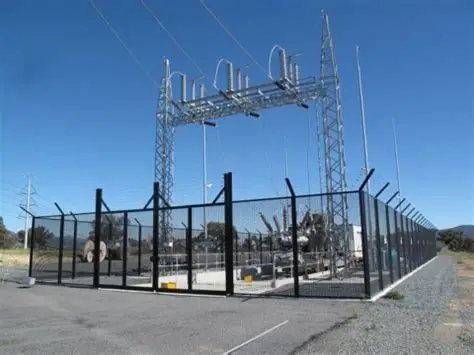
Few investments offer as much long-term peace of mind as a correctly specified high-security perimeter. For data centers and power stations, the stakes couldn't be higher. A breach isn't just a property crime; it’s a threat to national stability and digital integrity.
When the NPSA changes its stance, it directly impacts your insurance premiums and your regulatory compliance. Here are some compelling reasons why you should be paying attention to the new standards:
Insurance Requirements: Many insurers are now specifically asking for LPS 1175 SR2 or SR3 ratings. If you are still specifying based on "NPSA Approved" without understanding the new equivalents, you might find yourself under-insured.
Audit Trails: Modern critical infrastructure requires a robust audit trail. By using independently certified systems, you have a clear, documented record of exactly how much "attack time" your fence can withstand.
Future-Proofing: Installing a fence is a 20-year decision. You don't want to install a system today that will be considered "obsolete" by security auditors in three years.
I always advise my clients in the utilities sector to look beyond the immediate cost. You aren't just buying steel and mesh; you are buying time. The goal of any high-security fence is to delay an intruder long enough for your security teams or the police to respond.
Understanding the New "Language" of Security
Technical terms can often feel like a barrier, but I want to break them down into plain language for you. In the new landscape, you will hear a lot about Security Ratings (SR) and the newer Issue 8 classifications of LPS 1175.
Attack Resistance: This is no longer just about "how tall the fence is." It is about which tools (bolt cutters, grinders, etc.) it can resist and for how long.
SR2 (B3): This is often the sweet spot for many commercial and critical sites. It protects against more determined attacks using mechanical tools.
SR3 (C5): For higher-value sites like data centers, SR3 is frequently the requirement, providing protection against sophisticated attempts to breach the perimeter.
Remember, a fence is only as strong as its weakest point. I have seen sites where the fencing is top-tier, but the automated gates are not rated to the same standard. This is a critical error. Your gates and fencing must work in tandem as a single, unified security shell.

The Fenceways Advantage: Expert Guidance Since 1983
In a world of changing standards, who can you trust? This is where our heritage becomes your biggest asset. At Fenceways Group Ltd, we don't just supply fencing; we provide peace of mind.
I always recommend consulting with experts before making a final decision on your perimeter layout. Here is what we bring to the table:
40+ Years of Expertise: We’ve been through every major shift in UK security standards since 1983.
10-Year Warranty: We are so confident in our high-security installations that we provide a 10-year warranty as standard. When you are protecting critical infrastructure, you need to know the manufacturer and installer stand by their work.
FSC-Certified Timber & Premium Steel: We don't cut corners on materials. Whether it's high-security mesh or bespoke residential fencing, the quality is non-negotiable.
Nationwide Coverage: From our roots in Manchester to our elite London office, we serve the entire UK.
I recommend that you look at our heritage and future post to see how our Manchester values have translated into a world-class security operation.
Practical Steps for Your Next High-Security Project
If you are planning a security upgrade or a new build, here is a checklist I recommend following to navigate the post-NPSA landscape:
Conduct a Threat Assessment: Identify exactly what you are protecting against. Is it opportunistic theft or a coordinated attack?
Verify the Certification: Don't just take a supplier's word for it. Ask to see the RedBook listing or the independent test certificates for the specific product being proposed.
Think Integrated: Ensure your fencing, gates, and any PIDS (Perimeter Intrusion Detection Systems) are compatible.
Check the Warranty: In the harsh environments of power stations or coastal airports, cheap fencing will fail. A 10-year warranty isn't just a piece of paper; it’s a statement of durability.
Looking Ahead: The Future of Perimeter Security
The end of the old NPSA testing framework isn't something to fear: it's an opportunity to raise the bar. It forces us as installers and you as facility managers to be more diligent, more informed, and more focused on real-world performance.
We are seeing incredible innovations in anti-climb technology and integrated security that weren't possible even five years ago. As we continue to serve the UK's most critical sites, we will remain at the forefront of these changes, ensuring that your property remains safe, secure, and compliant.
Are you ready to review your site's security in light of these new standards? Whether you are in Manchester, London, or anywhere in between, I am here to help you navigate this transition.
Contact Fenceways Group Ltd today to discuss your high-security requirements. Let's build a perimeter that stands the test of time and the rigours of modern security demands.
Check out our full range of commercial fencing services to see how we can secure your site today.
Comments