


The Ultimate Guide to Anti-Climb Fencing: Everything Manchester Schools and Data Centres Need to Succeed
- Mark Day
- Feb 2
- 7 min read

When it comes to protecting critical infrastructure and vulnerable populations in Manchester, few security investments deliver the impact of properly specified anti-climb fencing. I've spent over four decades working with schools, data centres, and high-security sites across the UK, and I can tell you firsthand: the perimeter is where protection begins: or where it fails.
Whether you're a facilities manager at a Manchester primary school dealing with after-hours trespass, or you're securing a data centre holding sensitive customer information, anti-climb fencing isn't just about keeping people out. It's about creating a visible deterrent, buying response time for security teams, and meeting increasingly stringent compliance requirements that govern both educational environments and critical digital infrastructure.
In this guide, I'll walk you through everything you need to know about anti-climb fencing systems: from the technical specifications that actually matter to the real-world considerations that separate effective security from wasted budget.
What Is Anti-Climb Fencing and Why Does It Matter?
Anti-climb fencing is a welded wire mesh security system specifically engineered to prevent unauthorised access by eliminating the handholds and footholds that make traditional fencing scalable. Unlike standard chain link or basic panel fencing, anti-climb systems use tightly spaced apertures: typically small enough that fingers, toes, and cutting tools cannot gain purchase or penetrate the mesh.
Here's why this matters for your Manchester site: traditional fencing creates a boundary, but it doesn't actively resist intrusion. Anti-climb fencing delays and deters. For schools, that means protecting students, equipment, and buildings from vandalism, theft, and safeguarding risks. For data centres, it means establishing the first layer of defence for assets where downtime costs thousands per minute and data breaches carry regulatory penalties in the millions.
I've seen too many sites invest in CCTV, access control, and alarm systems while leaving the perimeter vulnerable to a determined intruder with bolt cutters and thirty seconds. The best surveillance system in the world is reactive. Anti-climb fencing is proactive.
Understanding the 358 Security Fence Standard
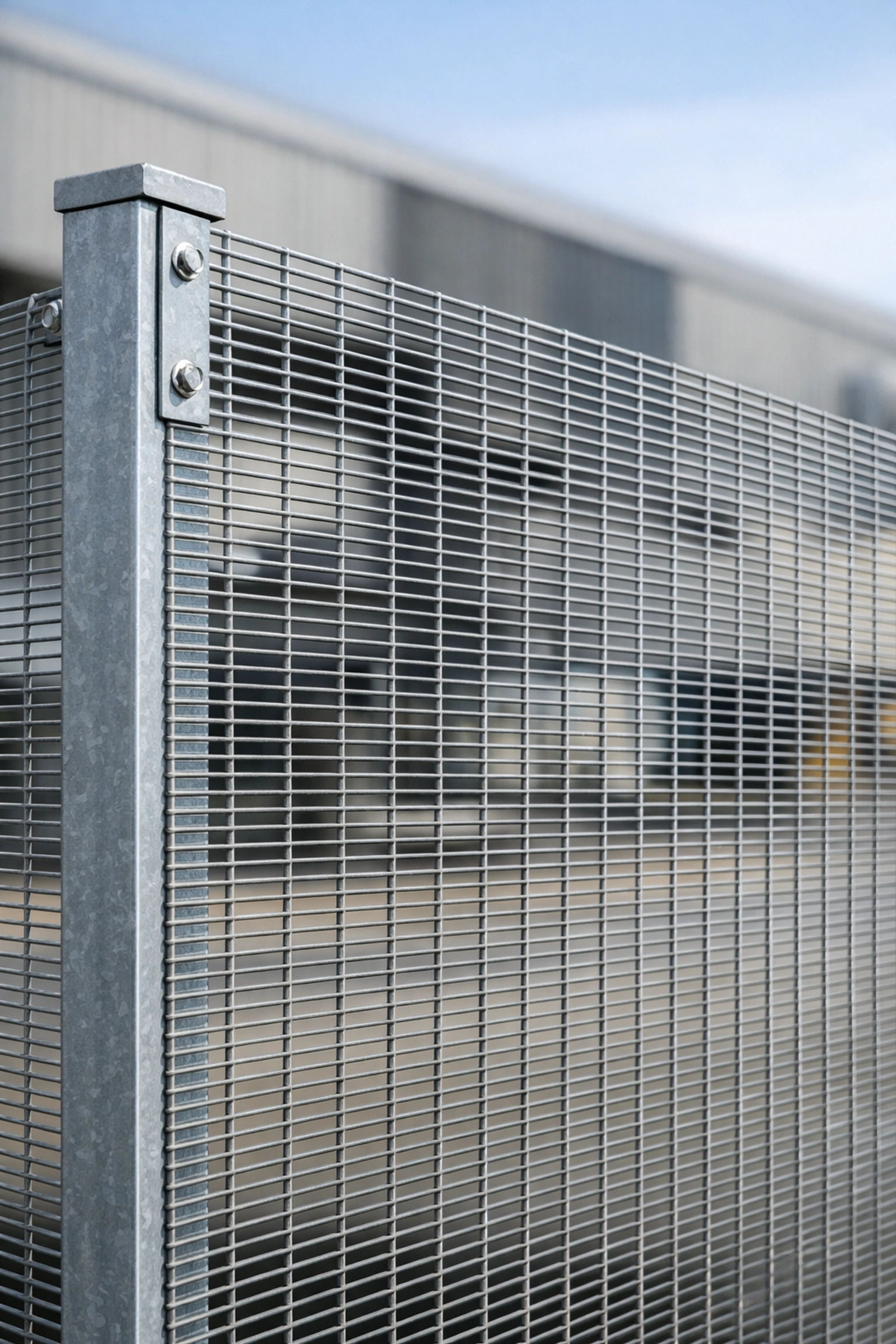
When specifying anti-climb fencing for schools or data centres, you'll encounter the term "358 fence" repeatedly. This is the most widely adopted standard for high-security perimeter protection, and I recommend it as the baseline for any site where intrusion prevention is critical.
The name refers to the mesh specification:
3 inches horizontal spacing (76.2mm)
0.5 inches vertical spacing (12.7mm)
8 gauge wire diameter (approximately 4mm)
This configuration creates apertures too small for fingers to grip and too tight for standard cutting tools to access effectively. The welded construction: not twisted or woven like chain link: means there are no weak points where wires can be unravelled or separated.
For Manchester schools, 358 fencing meets the security expectations of Ofsted, local safeguarding boards, and insurers who scrutinise perimeter protection during site assessments. For data centres, it aligns with physical security frameworks like ISO 27001 and supports compliance with data protection regulations that require "appropriate technical and organisational measures."
Alternative wire gauges are available depending on height requirements: 10.5 gauge for 8-foot installations, heavier 8 gauge for 10-foot or taller systems where additional structural strength is needed.
Height Requirements: How High Should Anti-Climb Fencing Be?
One of the most common questions I'm asked is: "How high does the fence need to be?" The answer depends on your specific threat assessment and regulatory environment, but I can give you practical baselines.
For Manchester schools: Most educational sites specify anti-climb fencing between 2.1 metres (approximately 6 feet 10 inches) and 2.4 metres (just under 8 feet). This height satisfies safeguarding requirements, creates a strong visual deterrent, and remains proportionate to the site environment. Remember, you're balancing security with the need to maintain an open, welcoming appearance for students, parents, and the surrounding community.
For data centres and critical infrastructure: I always recommend starting at 2.4 metres minimum, with many facilities opting for 3 metres (approximately 10 feet) or higher, particularly around high-value zones like generator compounds, cooling systems, and primary access points. The additional height significantly increases the time and equipment required for an intrusion attempt, giving security teams or law enforcement more opportunity to respond.
Local planning authorities in Manchester may have specific requirements regarding fence height, particularly in conservation areas or near residential boundaries. I always advise consulting with your planning department early in the specification process to avoid costly redesigns.
Material Options and Durability Considerations
Anti-climb fencing is almost exclusively constructed from steel, but the type of steel and protective coating significantly impacts long-term performance: especially in Manchester's famously damp climate.
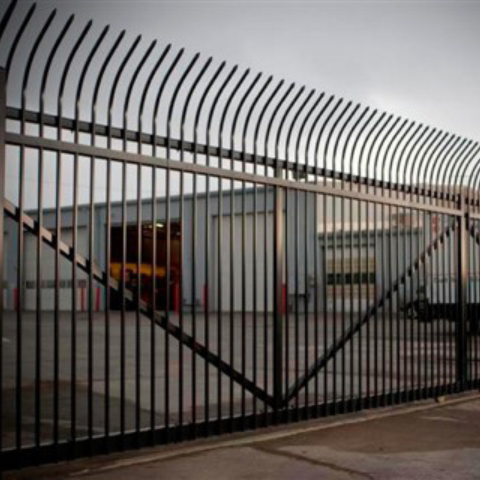
Galvanised steel is the standard choice. The galvanisation process applies a protective zinc coating that resists rust and corrosion, even when exposed to constant moisture. For most Manchester sites, this provides excellent durability with minimal maintenance requirements.
Pre-galvanised steel with powder coating adds an extra layer of protection and allows for colour customisation. I've specified black powder-coated systems for data centres where visual discretion matters, and green or grey finishes for schools where blending with landscaping creates a less institutional appearance.
Stainless steel is occasionally specified for coastal sites or environments with exceptional corrosive exposure (chemical plants, wastewater facilities), but it's typically unnecessary for Manchester locations and represents a significant cost premium.
What matters most is the quality of the welding and the coating application. Poorly welded joints create weak points where corrosion begins. Inconsistent coating leaves bare steel exposed to the elements. This is why I emphasise working with experienced installers who understand that anti-climb fencing performance depends as much on installation quality as material specification.
Enhanced Security Features: Going Beyond the Basics
While 358 anti-climb fencing provides robust baseline protection, many Manchester schools and data centres add supplementary features for enhanced security:
Topping options:
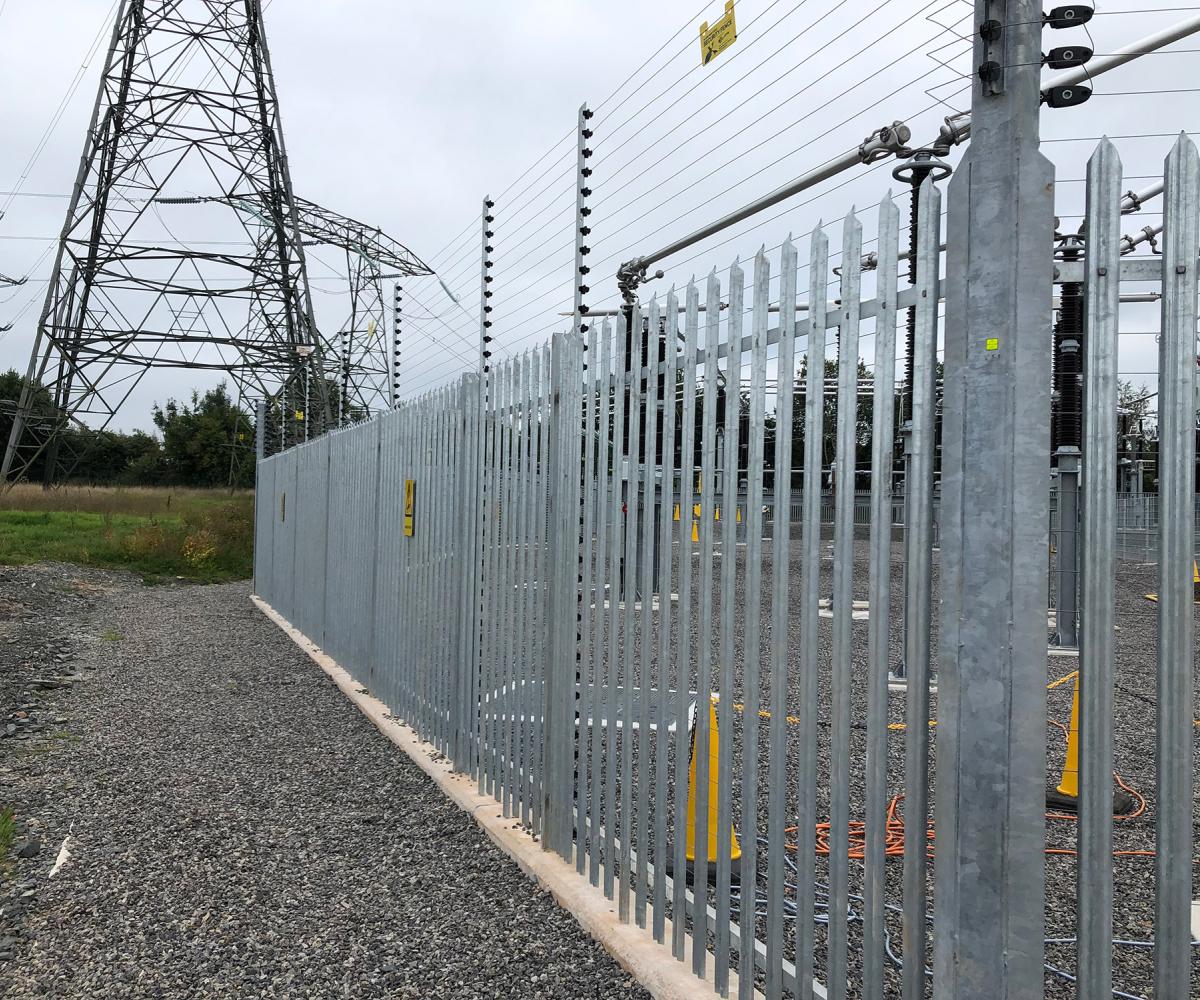
Razor wire or barbed wire creates an additional psychological and physical barrier at the fence top
Anti-climb spikes or cranked tops angle outward, making scaling virtually impossible even with ladders or climbing aids
Rotating barrels prevent rope or grappling hook attachment
For schools, aggressive topping must be carefully considered. While it increases security, it can create safeguarding concerns if positioned where students might have access during normal operations or emergency evacuations. Data centres face no such constraint and typically specify the most robust topping available.
Ground-level protection: Determined intruders don't always go over fences: they go under. I recommend:
Concrete gravel boards or steel plates at ground level to prevent digging
Extended mesh buried 300–450mm below grade
Concrete foundation strips where soil conditions allow easy excavation
Integration capabilities: Modern anti-climb fencing systems accommodate:
Conduit routing for CCTV cabling
Motion detection sensors mounted directly to fence fabric
Lighting integration for after-hours visibility
Access control integration at gate points
Compliance Considerations: Schools vs. Data Centres
The regulatory landscape differs significantly between educational and critical infrastructure environments, and I'll walk you through what matters for each.
Manchester schools must consider:
Safeguarding requirements under Keeping Children Safe in Education (KCSIE) guidance, which emphasises controlled site access
Ofsted inspection criteria that assess boundary security as part of safeguarding effectiveness
Fire safety regulations requiring emergency access routes that don't compromise perimeter security
Planning permissions that may restrict fence height or appearance, particularly for listed buildings or conservation areas
Insurance requirements that often mandate specific security standards as conditions of coverage
Data centres must address:
ISO 27001 physical security controls that require documented perimeter protection measures
Tier certification standards (Uptime Institute) that specify minimum security requirements for each tier level
GDPR compliance obligations to implement appropriate technical measures protecting personal data
Industry-specific regulations (financial services, healthcare, government) with prescriptive security frameworks
Insurance and contractual requirements from clients conducting security audits
I always recommend engaging with your compliance team or regulatory advisors during the specification phase. Retrofitting security features after installation is significantly more expensive than building them in from the start.
Installation Quality: Why It Makes or Breaks Performance
I've assessed hundreds of anti-climb fencing installations over four decades, and I can tell you the most expensive system in the world fails if installation is substandard. Here's what separates professional installation from problems waiting to happen:
Foundation and post installation: Posts must be set in concrete to specified depths (typically 600–900mm depending on fence height and ground conditions). Shallow or inadequately cured footings allow fence movement, creating gaps at ground level and compromising structural integrity. In Manchester's clay-heavy soils, proper foundation design accounts for ground movement and water drainage.
Panel alignment and tensioning: Welded mesh panels must be installed with consistent tension and alignment. Sagging panels create climbing aids. Gaps between panels or at corners provide entry points. Professional installers use jigs and levelling systems to ensure every panel sits correctly.
Hardware and fixings: Security fencing uses tamper-resistant fixings that can't be removed with standard tools. I specify stainless steel fixings even on galvanised fencing to prevent corrosion at connection points: a common failure point I've seen repeatedly.
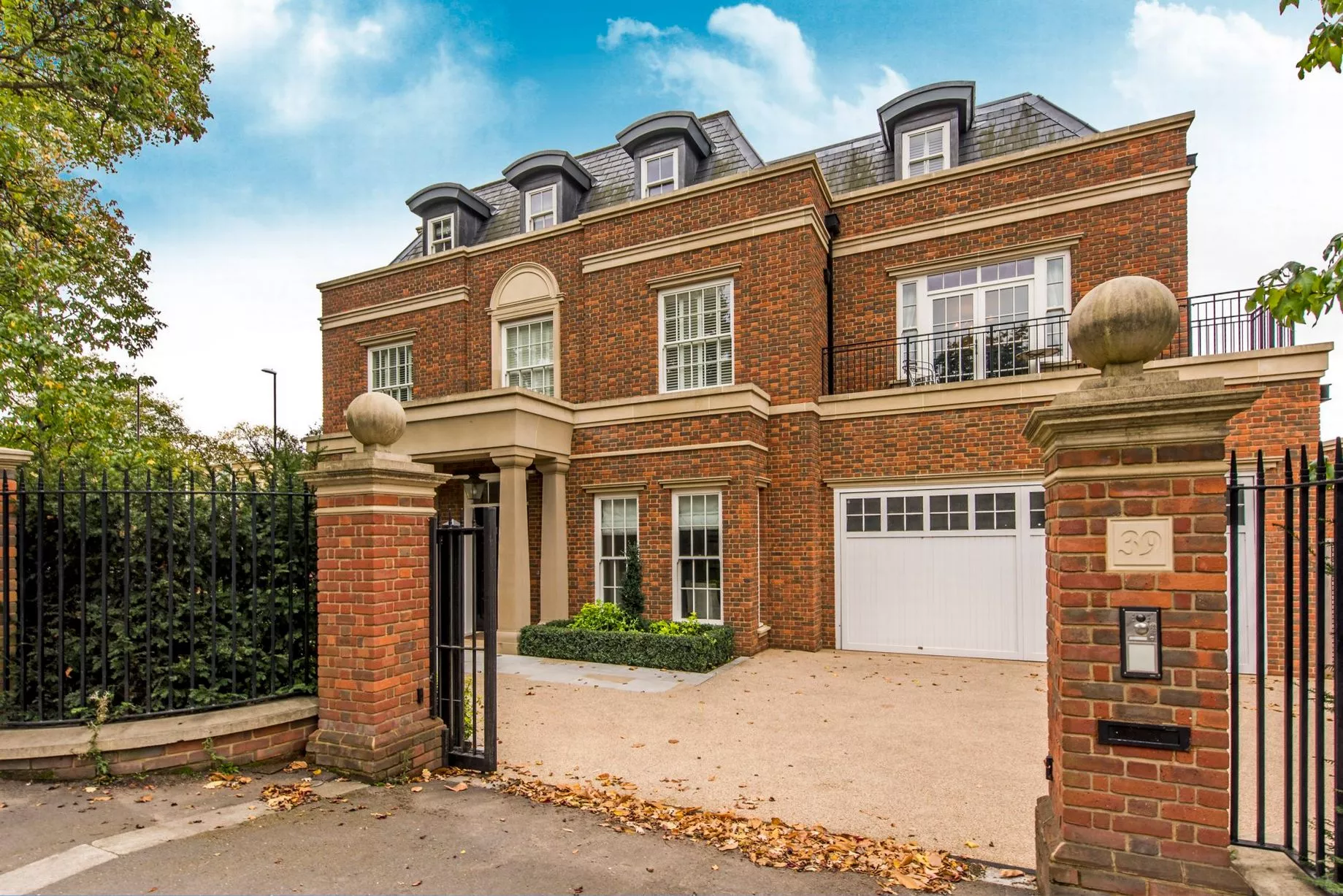
Gate integration: Gates are the weakest link in any perimeter. They must match the security specification of the fencing while accommodating operational access requirements. For data centres, I always recommend automated gate systems with access control integration. For schools, manual gates with secure locking mechanisms often suffice, but hinge placement and strike plate installation require precision to prevent forced entry.
Long-Term Performance and Maintenance Planning
Anti-climb fencing represents a significant capital investment, and I always advise clients to think beyond installation costs to lifecycle value. Here's how to protect that investment:
Inspection schedule: I recommend quarterly visual inspections focusing on:
Mesh integrity (looking for cuts, damage, or deformation)
Post stability and concrete condition
Gate operation and locking mechanisms
Ground-level security (checking for digging attempts or erosion)
Preventive maintenance: Annual maintenance should include:
Lubrication of gate hinges and automation components
Tightening of fixings and hardware
Touch-up of powder coating at wear points
Vegetation management to prevent fence concealment
Warranty considerations: Quality anti-climb fencing installations typically carry 10-year warranties on materials and workmanship. Ensure your installer provides clear warranty documentation and understand what triggers warranty voidance (typically neglected maintenance or unauthorised modifications).
Making the Right Choice for Your Manchester Site
Choosing anti-climb fencing isn't about finding the cheapest option: it's about matching your security requirements, compliance obligations, and operational needs to a system that performs reliably for decades. Whether you're protecting Manchester schoolchildren or securing critical digital infrastructure, the perimeter is where resilience begins.
I've seen firsthand how properly specified and professionally installed anti-climb fencing transforms site security. It doesn't just create a physical barrier: it establishes credibility with regulators, confidence with stakeholders, and peace of mind with facilities teams who no longer deal with recurring intrusion incidents.
At Fenceways Group Ltd, we've been helping Manchester organisations get perimeter security right since 1983. If you're planning a new installation, upgrading existing fencing, or simply want to understand whether your current system meets modern security standards, I encourage you to reach out. We provide consultative site assessments that focus on your specific risk profile and compliance requirements: not pushing products, but solving problems.
You can explore our full range of fencing services or get in touch to discuss your project. Because when it comes to protecting what matters most, the perimeter is where it all begins.
Comments