


Security Fencing Upgrades: 5 Steps How to Future-Proof Your Warehouse Perimeter (Easy Guide for Facility Managers)
- Mark Day
- 49 minutes ago
- 5 min read

When it comes to warehouse security, I've learned that the perimeter is where everything starts: and where it often goes wrong. Over the past 40+ years at Fenceways Group Ltd, I've seen facilities invest heavily in CCTV and alarm systems, only to leave their boundary fencing vulnerable to basic breaches. The truth is, your perimeter is your first line of defence, and if it's weak, everything else becomes reactive rather than preventative.
If you're a facility manager tasked with securing a warehouse, distribution centre, or industrial site, I will guide you through five practical steps to future-proof your perimeter. These aren't theoretical ideas: they're the same steps I recommend to clients managing everything from logistics hubs to high-value storage facilities across the UK.
Step 1: Conduct a Proper Security Risk Assessment
Before you spec a single post or panel, you need to understand what you're actually protecting against. I always start by asking facility managers three key questions:
What's the threat profile? Are you in a high-crime area? Have there been previous break-in attempts, vandalism, or protest activity nearby? Understanding local crime data and your site's history shapes everything that follows.
What's stored on site? High-value goods, pharmaceuticals, electronics, and luxury items attract different threats than standard palletised stock. The nature of your inventory directly influences the security level required.
What are your operational access patterns? How many entry points do you need? What's the traffic flow: staff, deliveries, contractors? A site with 24/7 operations has different requirements to a facility that's locked down overnight.
I recommend documenting this assessment clearly. It becomes the foundation for your specification and ensures you're not over-investing in unnecessary features or, worse, under-protecting critical assets.
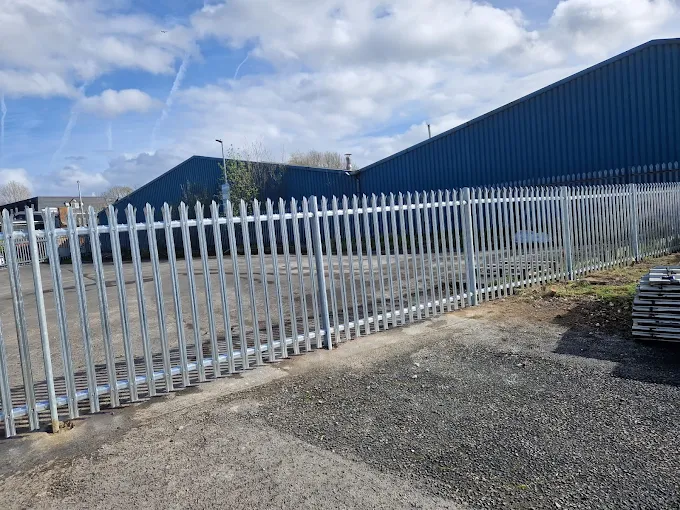
Step 2: Choose the Right Fencing System for Your Risk Level
Once you've assessed the threats, it's time to match your fencing to your needs. Here's what I've seen work consistently across different warehouse environments:
Palisade Fencing (High Security)
This is the gold standard for most warehouses and industrial sites. Palisade features vertical steel pales: either pointed or rounded tops: that create a formidable physical barrier while maintaining visibility. I recommend palisade when:
You're storing high-value goods
The site is in a higher-risk location
You need a strong deterrent with clear sightlines for surveillance
Palisade is robust, long-lasting, and proven. It's harder to climb and cut than most alternatives, and it sends a clear message about your site's security posture.
Welded Mesh Panel Systems (Medium to High Security)
Welded mesh offers excellent strength-to-cost ratio and works well for perimeter protection where you need durability without the aggressive appearance of palisade. It's also versatile: you can layer it with additional security features as needed. I often suggest mesh for:
Sites where aesthetics matter alongside security
Internal partitioning within larger facilities
Boundary fencing that integrates with CCTV coverage
Chain-Link Fencing (Lower Security or Internal Use)
Chain-link is cost-effective and quick to install, but I'm honest with clients: it's not a high-security solution. It works for internal zoning, low-risk boundaries, or as a supplementary layer behind more robust systems. Don't rely on chain-link alone if you're protecting valuable stock.
Height Matters
For standard warehouse security, I recommend 8-10 feet minimum. If you're storing luxury goods, pharmaceuticals, or high-value electronics, go for 10 feet or higher. Remember, height creates delay: it buys your response team or security services crucial time.
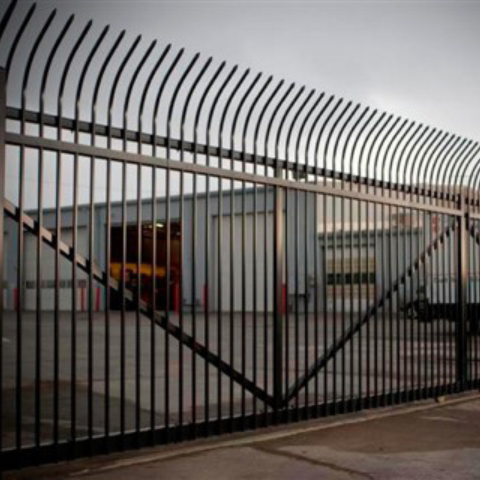
Step 3: Install Anti-Climb Features and Secure Your Access Points
Even the best fencing fails if it's easy to scale or bypass. Here's where I always advise adding layers of deterrence:
Anti-Climb Toppings: Rotating spikes, angled extensions, or security wire make scaling your perimeter significantly harder. These features aren't about creating injury: they're about creating delay and deterrence. An intruder who sees well-protected fencing often moves on to an easier target.
Automated Gates with Access Control: Your gates are the weakest point in any perimeter. I've seen facilities invest thousands in fencing, then install a manual gate that's propped open during deliveries. Here's what works:
Automated sliding gates for vehicle access: faster, more reliable, and harder to force
Integration with access control systems (keypads, card readers, intercoms) so you control who enters and when
Lockable pedestrian gates for staff access, separated from vehicle routes where possible
Gates need to match your fencing's security level. There's no point in 10-foot palisade if your gate is a lightweight manual swing that can be rammed or climbed easily.
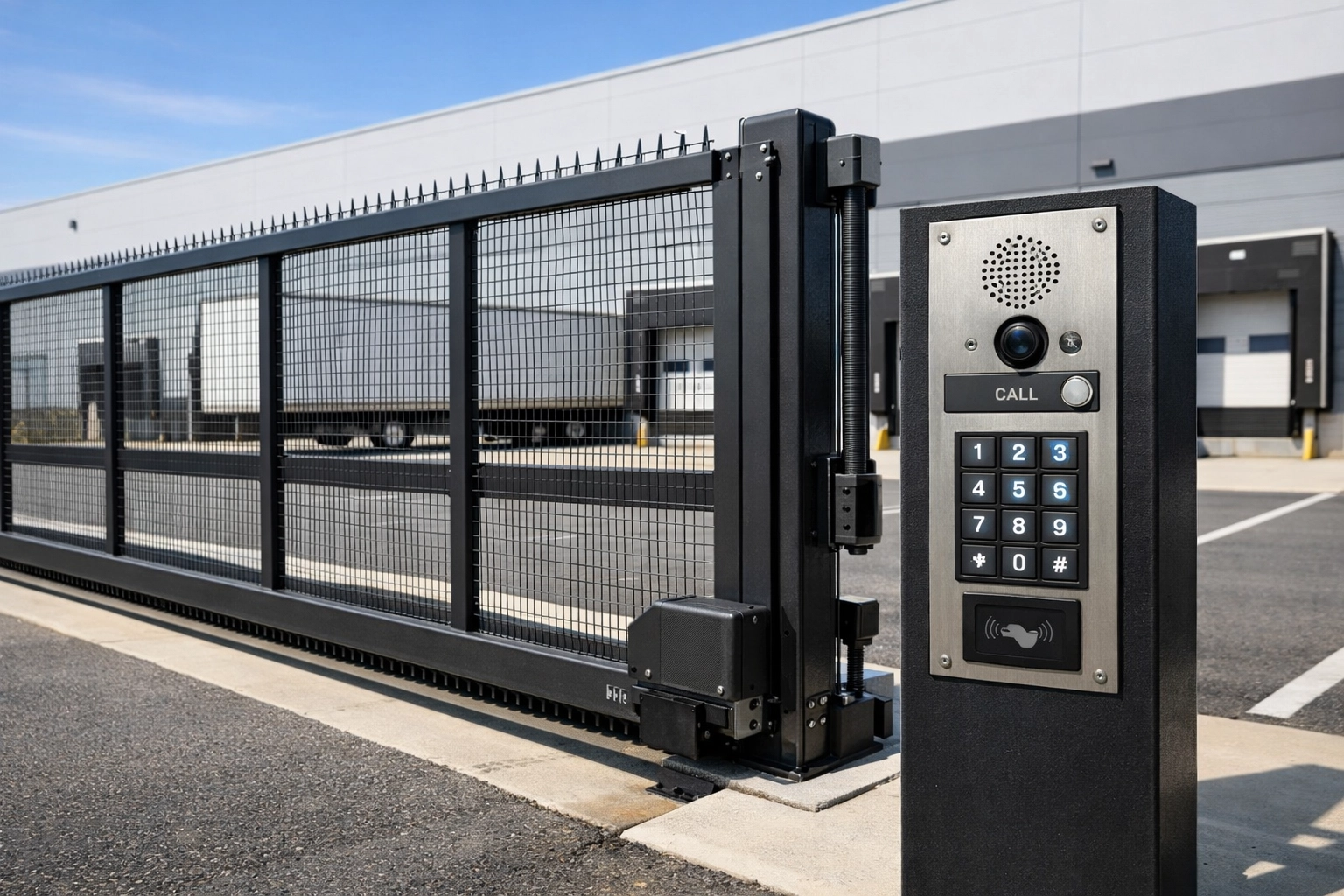
Step 4: Integrate Your Fencing with Wider Security Systems
Your perimeter should never work in isolation. The most effective warehouse security comes from layered systems that support each other. I always recommend thinking about integration early:
CCTV Positioning: When we're planning fencing installations, I work with facility managers to identify camera mounting points and ensure sightlines aren't blocked. Your fencing should enhance surveillance, not obstruct it.
Security Lighting: Perimeter lighting turns your fencing into a 24/7 deterrent. Motion-activated lights at access points and along vulnerable boundary sections make intrusion attempts highly visible.
Intrusion Detection: Sensors integrated with your fencing or gate systems can trigger alarms when someone attempts to cut, climb, or force entry. This turns your perimeter from a passive barrier into an active early-warning system.
Staff Training: This often gets overlooked, but your team needs to understand how access control works, what to do if gates are left open, and how to report perimeter damage or suspicious activity quickly.
When these elements work together, you create a security environment where each layer compensates for potential weaknesses in others.
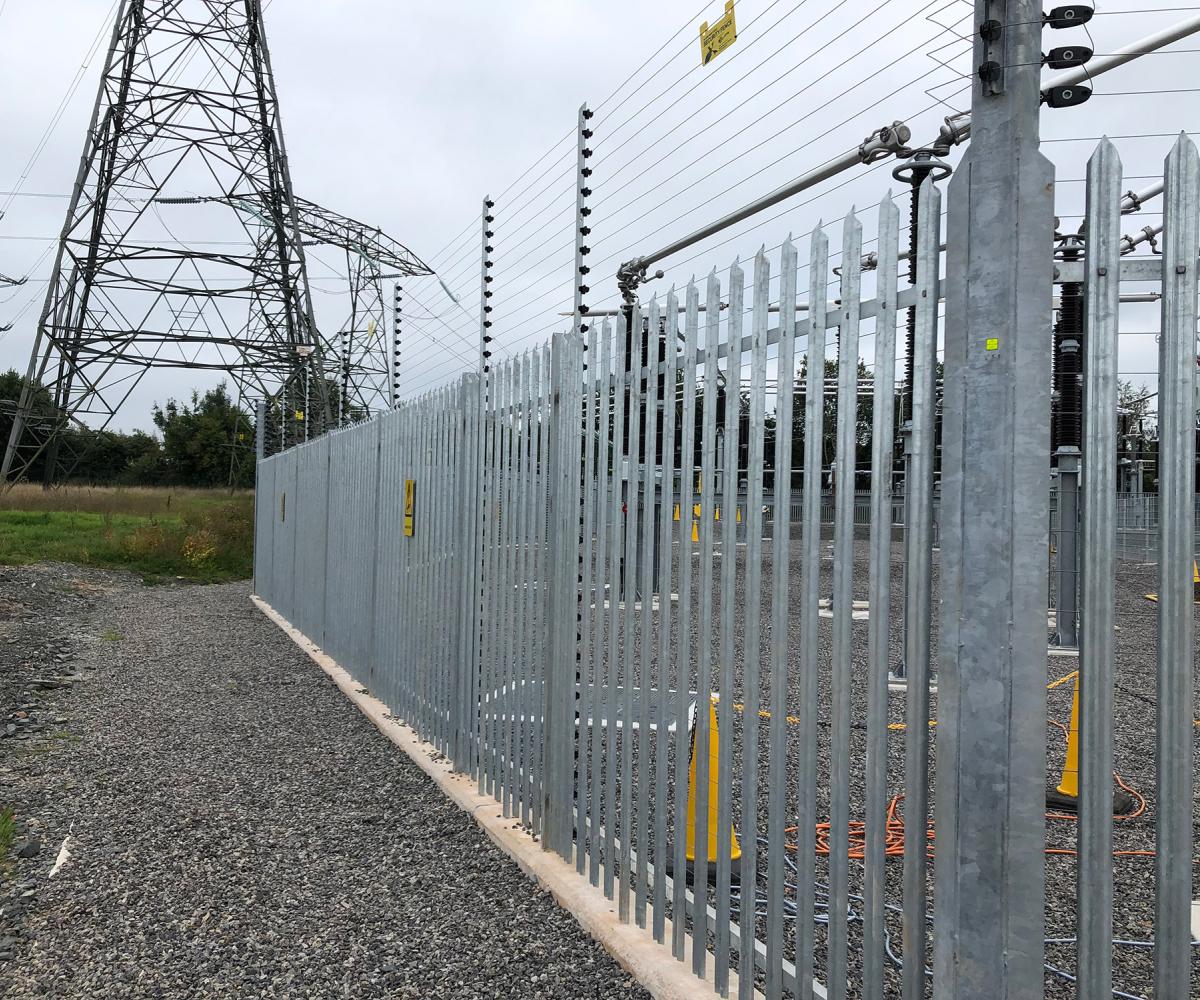
Step 5: Build a Maintenance and Inspection Schedule
Security fencing is not "fit and forget." I've visited warehouses where excellent systems have degraded because small issues: loose posts, rust spots, damaged mesh: weren't addressed early. Here's how to stay ahead:
Quarterly Visual Inspections: Walk your perimeter every quarter. Look for:
Signs of attempted climbing or cutting
Rust, corrosion, or weather damage
Loose fixings or wobbly posts
Damage from vehicles, deliveries, or ground movement
Overgrown vegetation that obscures fencing or CCTV
Immediate Repairs: Fix minor issues immediately. A small rust patch becomes structural weakness if left. A loose post becomes an access point. The cost of reactive maintenance far exceeds the cost of a planned inspection programme.
Annual Professional Assessment: Bring in specialists once a year to check foundations, gate automation, access control integration, and overall system performance. At Fenceways, we offer structured maintenance plans that take this off your plate and ensure your perimeter stays compliant and secure.
Document Everything: Keep records of inspections, repairs, and upgrades. If there's an incident, your insurance and compliance teams will want evidence that you maintained your perimeter properly.
Why Professional Installation Matters
I'll be blunt: I've seen too many "budget" warehouse fencing jobs that failed within two years because they were installed poorly. Weak foundations, incorrect post spacing, inadequate ground preparation: these mistakes turn good products into liabilities.
When you're investing in perimeter security, choose contractors who understand warehouse-specific challenges:
Reinforced post foundations that withstand ramming attempts
Proper drainage around fencing to prevent subsidence
Correct integration of gates with automation and access control
Knowledge of site-specific risks and regulatory requirements
At Fenceways Group Ltd, we've been doing this since 1983. We've installed perimeters for warehouses, logistics hubs, utilities, and industrial estates across the UK. We know what works long-term, and we back it with a 10-year warranty on qualifying installations.
Final Thoughts: Start with the Boundary
If you're planning a security upgrade, start at your perimeter. Assess your risks honestly, choose systems that match those risks, integrate with your wider security infrastructure, and maintain everything consistently. Future-proofing isn't about buying the most expensive kit: it's about building a security system that adapts to evolving threats while remaining reliable, cost-effective, and operationally sound.
Need help planning your warehouse perimeter upgrade? Get in touch with our team: we'll walk you through the assessment process and help you build a system that works for your site, your budget, and your long-term security goals.

Comments