


Looking For Garden Gate Installation in Manchester? Here Are 10 Things You Should Know Before You Buy

When it comes to enhancing your property's security, privacy, and curb appeal, few investments offer the immediate impact of a well-designed garden gate. I've been helping Manchester homeowners navigate gate installation decisions for years, and I can tell you that the choices you make upfront will significantly impact your satisfaction for decades to come.
The Manchester market offers numerous options, but that abundance can be overwhelming. I will guide you through the ten most critical considerations that will help you make an informed decision and avoid costly mistakes.
1. Understanding Your Local Installation Options
Manchester boasts a robust network of gate installation specialists, each bringing different strengths to the table. I've seen firsthand how the quality of your installer can make or break your project, regardless of how premium your gate materials might be.
Here's what I always tell my clients: not all installers are created equal. Some companies operate within specific geographical limitations – for instance, certain specialists only work within a 20-mile radius of their workshops, while others cover broader areas across the North West.
When evaluating potential installers, I recommend asking these key questions:
Do they maintain their own installation teams, or do they subcontract?
What's their coverage area, and are there additional charges for your location?
Can they provide recent customer references within Manchester?
How long have they been operating in the local market?
The installer you choose should demonstrate deep local knowledge, understanding Manchester's specific climate challenges and property types.
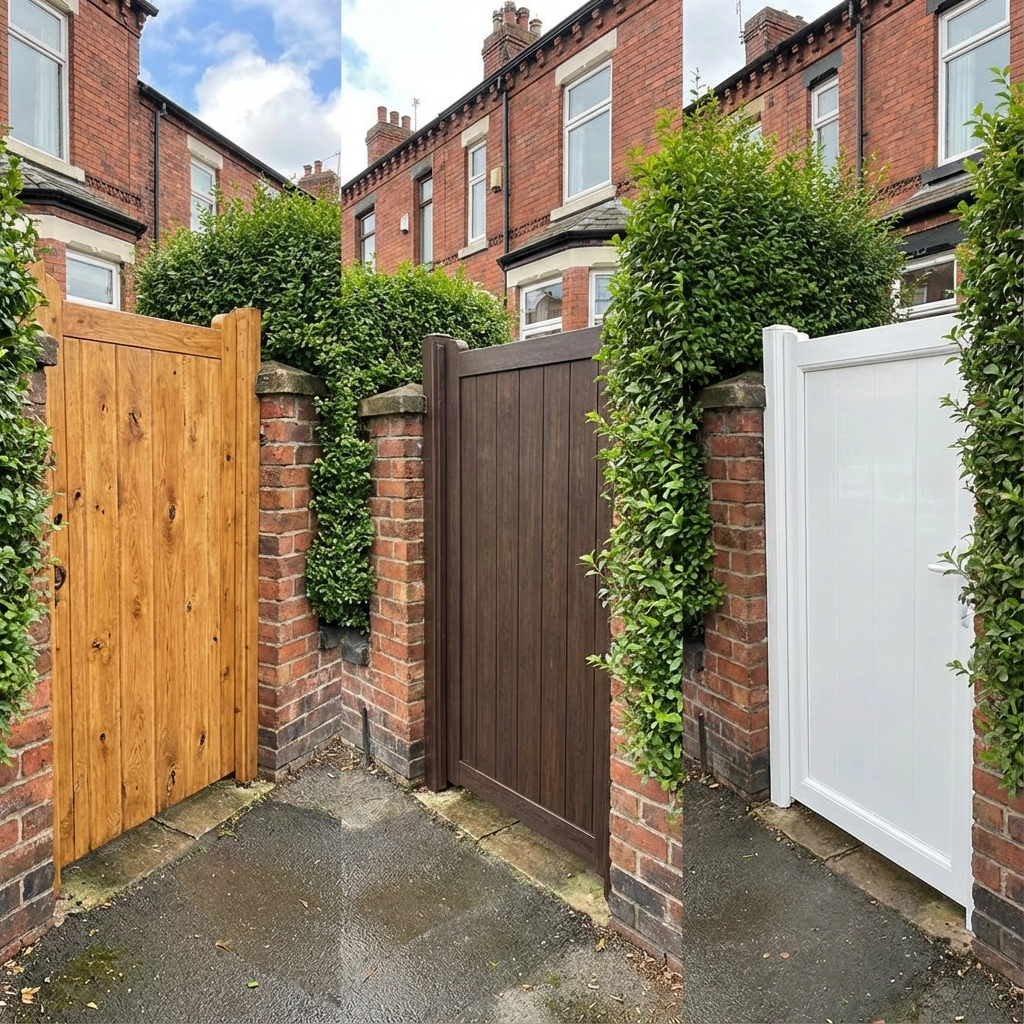
2. Material Selection: Wood, Composite, or UPVC
This decision will fundamentally shape your gate's appearance, maintenance requirements, and longevity. I always advise clients to think beyond initial cost and consider the total cost of ownership over 10-15 years.
Wooden Gates remain the most popular choice for good reason. Scandinavian Redwood offers excellent value for softwood applications, while Iroko hardwood provides superior durability for high-use installations. The natural aesthetic is unmatched, but you're committing to regular maintenance – typically annual treatment to preserve appearance and weather resistance.
Composite Gates have gained significant traction among my Manchester clients. They offer wood's visual appeal without the maintenance burden. While initial costs run higher, you'll save considerably on upkeep over the gate's lifetime. The technology has improved dramatically, with modern composites closely mimicking natural wood grain.
UPVC Gates represent the most economical long-term choice. They're virtually maintenance-free and offer excellent weather resistance – particularly valuable in Manchester's variable climate. However, style options are more limited, and they may not suit period properties or conservation areas.
3. The Importance of Professional Surveying
I cannot overstate the value of professional measurement and site assessment. I've seen too many DIY disasters where homeowners made assumptions about their property dimensions or ground conditions, only to discover expensive complications during installation.
Most reputable installers offer free initial consultations and quotes. However, some charge a measurement service fee (typically £75-100 minimum) for detailed technical surveys. This investment is worthwhile for complex installations or when precise measurements are critical.
During the survey, your installer should assess:
Ground levels and drainage considerations
Existing post positions and their condition
Access requirements for installation equipment
Integration with existing fencing or boundary walls
Local planning restrictions or conservation area requirements
4. Embracing Bespoke Design Opportunities
One of Manchester's gate installation market's greatest strengths is the prevalence of custom manufacturing. Rather than settling for standard sizes that might not perfectly suit your property, I recommend exploring bespoke options.
Custom manufacturing isn't significantly more expensive than standard gates, particularly when you factor in the superior fit and finish. Your installer can accommodate specific width requirements, unusual height specifications, or unique aesthetic preferences that reflect your property's character.
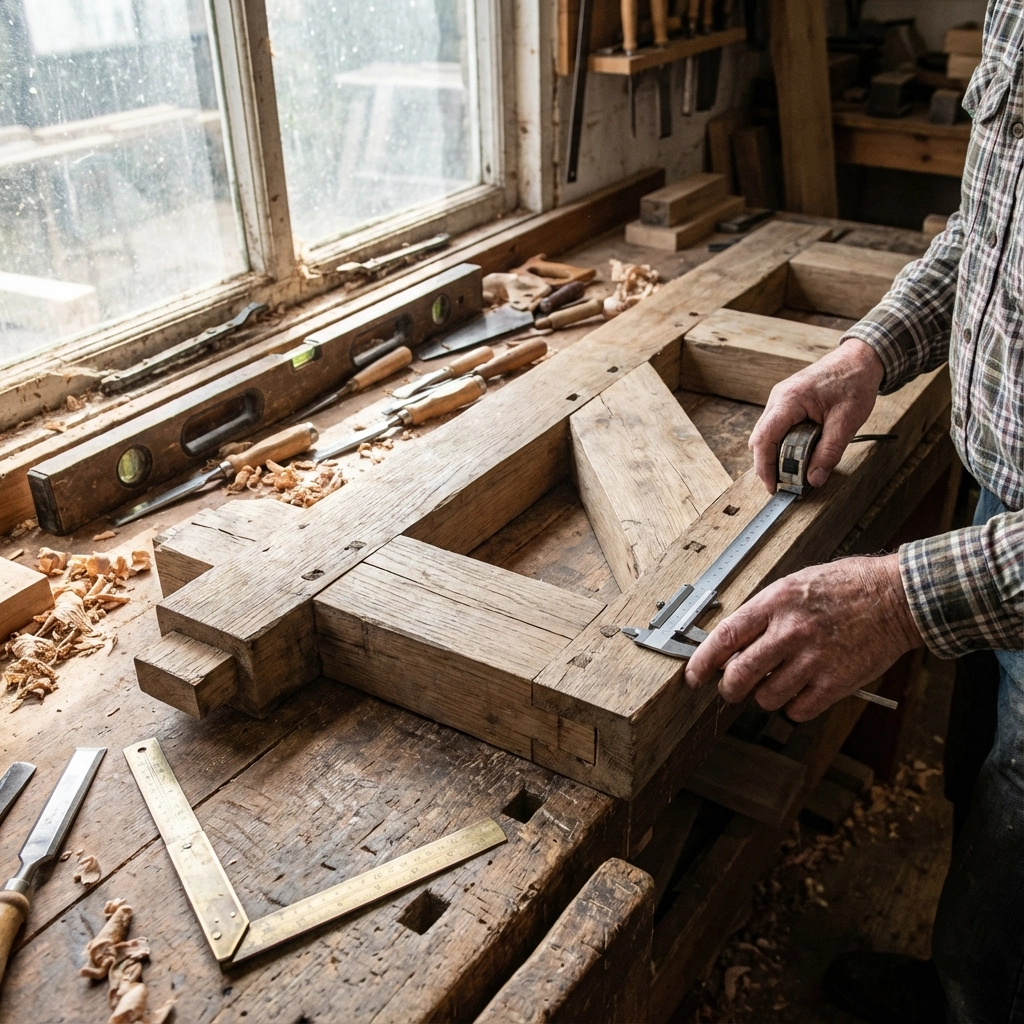
5. Style Selection: Matching Your Property's Character
Your gate style should complement your property's architectural period and your personal preferences. I always recommend considering how your gate will look not just today, but five or ten years from now as trends evolve.
Popular styles in Manchester include:
Picket Style: Classic and versatile, suitable for most property types
Tongue and Groove: Offers greater privacy with clean, modern lines
Vertical Lap: Contemporary appearance with excellent durability
Waney Lap: Natural, rustic aesthetic ideal for cottage-style properties
Trellis Top: Combines solid lower panels with decorative upper sections
Remember that your gate is often the first element visitors notice about your property. Choose a style that enhances rather than detracts from your home's overall aesthetic.
6. Security Features and Hardware Selection
Security requirements vary dramatically based on your property's location, value, and your personal comfort level. I recommend thinking beyond basic latches to consider how your gate integrates into your overall security strategy.
Standard security options include:
Ring Latches: Simple and reliable for low-security applications
Key Locks: Moderate security with convenient access
Deadlocks: High security for valuable properties or isolated locations
Digital Locks: Modern convenience with keypad or smartphone access
Hardware finishes should complement your property's existing metalwork. Options typically include galvanised silver, black powder-coated, or stainless steel. Quality ironmongery represents a small additional cost but significantly impacts both security and longevity.
7. Construction Quality Standards
Not all gates are built to the same standards, and construction quality directly impacts durability and appearance over time. I always recommend understanding exactly how your gate will be constructed before committing to purchase.
High-quality gates feature:
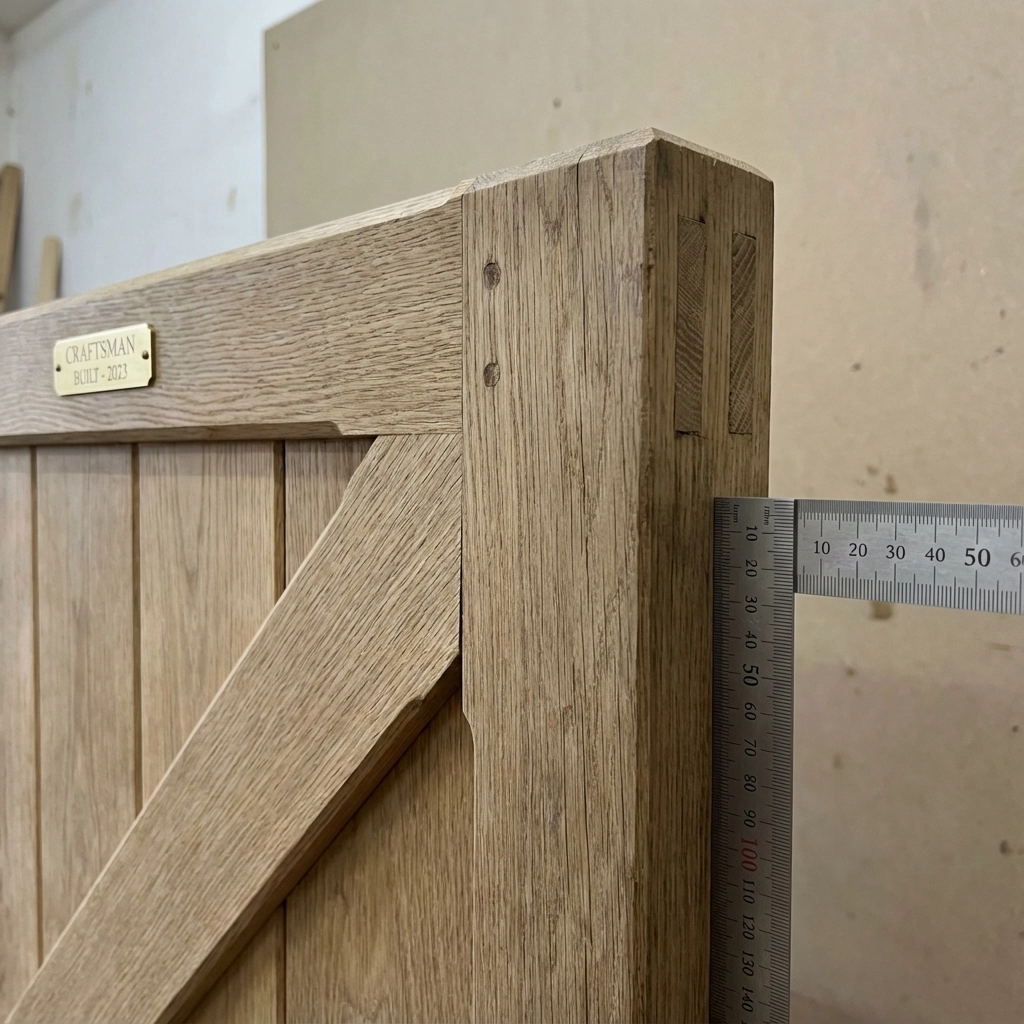
70mm thick mortice and tenon framework: Provides superior joint strength
Proper diagonal bracing: Prevents sagging and maintains alignment
Inset board construction: Better weather resistance and appearance
Quality fixings: Stainless steel or galvanised hardware throughout
Pressure-treated timber: Essential for outdoor durability
Ask potential suppliers to explain their construction methods and provide detailed specifications. Quality manufacturers are proud to discuss their craftsmanship standards.
8. Treatment and Finishing Considerations
The treatment your gate receives before and after installation significantly impacts its appearance, durability, and maintenance requirements. I've seen gates fail prematurely due to inadequate initial treatment, while properly finished gates continue looking excellent after decades.
Treatment options include:
Pressure Treatment: Applied during manufacturing for deep timber penetration
Water-Based Preservatives: Environmentally friendly with natural appearance
Oil-Based Treatments: Superior weather resistance with richer colour depth
Stain Finishes: Enhance natural grain while providing UV protection
Paint Systems: Maximum durability and colour options
Discuss treatment options with your installer, considering both your aesthetic preferences and willingness to commit to ongoing maintenance. Some treatments require annual reapplication, while others may last several years between refreshing.
9. Installation Timeline and Project Management
Understanding the installation process helps set realistic expectations and ensures smooth project completion. Most gate installations follow a predictable sequence, but timeline variations can occur based on custom manufacturing requirements and weather conditions.
Typical project timeline:
Initial Consultation: 1-2 hours onsite
Design Development: 3-5 business days
Manufacturing: 2-4 weeks for custom gates
Installation Scheduling: Based on weather and installer availability
Actual Installation: Usually completed within one day
I recommend discussing contingency plans for weather delays, particularly during Manchester's unpredictable winter months. Quality installers should communicate proactively about any scheduling changes.
10. Getting the Best Value Through Proper Research
Finally, I always advise clients to invest time in thorough research before making final decisions. The cheapest quote isn't necessarily the best value, particularly when you consider long-term performance and warranty support.
When comparing options, request:
Detailed written specifications for materials and construction methods
Customer references from recent Manchester installations
Portfolio examples showcasing similar projects
Clear warranty terms for both materials and workmanship
Transparent pricing with no hidden installation costs
Don't hesitate to ask challenging questions about experience, insurance coverage, and problem resolution procedures. Professional installers welcome detailed inquiries and view them as signs of serious, well-informed customers.
The right gate installation will enhance your property's security, privacy, and aesthetic appeal for many years. By considering these ten critical factors, you're well-positioned to make an informed decision that delivers lasting satisfaction and value.
Remember, your gate is an investment in your property's long-term appeal and functionality. Take time to choose wisely, and you'll enjoy the benefits for decades to come.
Comments