


7 Mistakes You're Making With Estate Perimeter Security (And How 40 Years of Manchester Heritage Can Fix Them)


When it comes to protecting an elite estate: whether it’s a sprawling manor in the Cheshire countryside or a high-value townhouse in the heart of Mayfair: most people make the same critical error: they treat security as an afterthought to aesthetics.
I have seen firsthand, through decades of high-level installations and my own background in military tactical intelligence, that a beautiful fence isn’t always a secure one. In fact, a "luxury" perimeter that hasn't been tactically assessed is often just an expensive ladder for an intruder.
At Fenceways Group Ltd, we carry the legacy of my late father, Eugene Hanlon, who established this firm in Manchester back in 1983. For over 40 years, we’ve blended that northern grit and craftsmanship with high-level security expertise to serve some of the most prestigious postcodes in the world.
If you want to move beyond "off-the-shelf" solutions and secure your legacy, you need to stop making these seven common mistakes. Here is how I recommend you fix them.
1. Prioritizing Aesthetics Over Tactical Integrity
It’s a common trap. You spend a fortune on a landscape designer, and they suggest a "decorative" fence that looks stunning but offers zero resistance. I always advise my clients: Security is a feeling, but safety is a science.
A gate can be a work of art, but if the horizontal bars provide easy footholds or the hinges are exposed, it’s a liability. We specialize in what I call "Invisible Security": high-security measures integrated so seamlessly into the design that an intruder doesn't even realize they're being deterred until it's too late.
2. The "General Builder" Fallacy
I’ve seen too many high-end projects compromised because the owner hired a general contractor to handle the fencing. Fencing is a specialist trade; security fencing is a specialist discipline.
A general builder might know how to put a post in the ground, but do they understand the NPSA (National Protective Security Authority) standards? Do they know how to reinforce a gate leaf to withstand a forced entry attempt? When you work with us, you’re getting 40 years of Manchester heritage: a team that knows exactly why a specific weld or a certain depth of concrete makes the difference between a breach and a bounce-back.
3. Ignoring the "Invisible" Layer in Urban Hubs
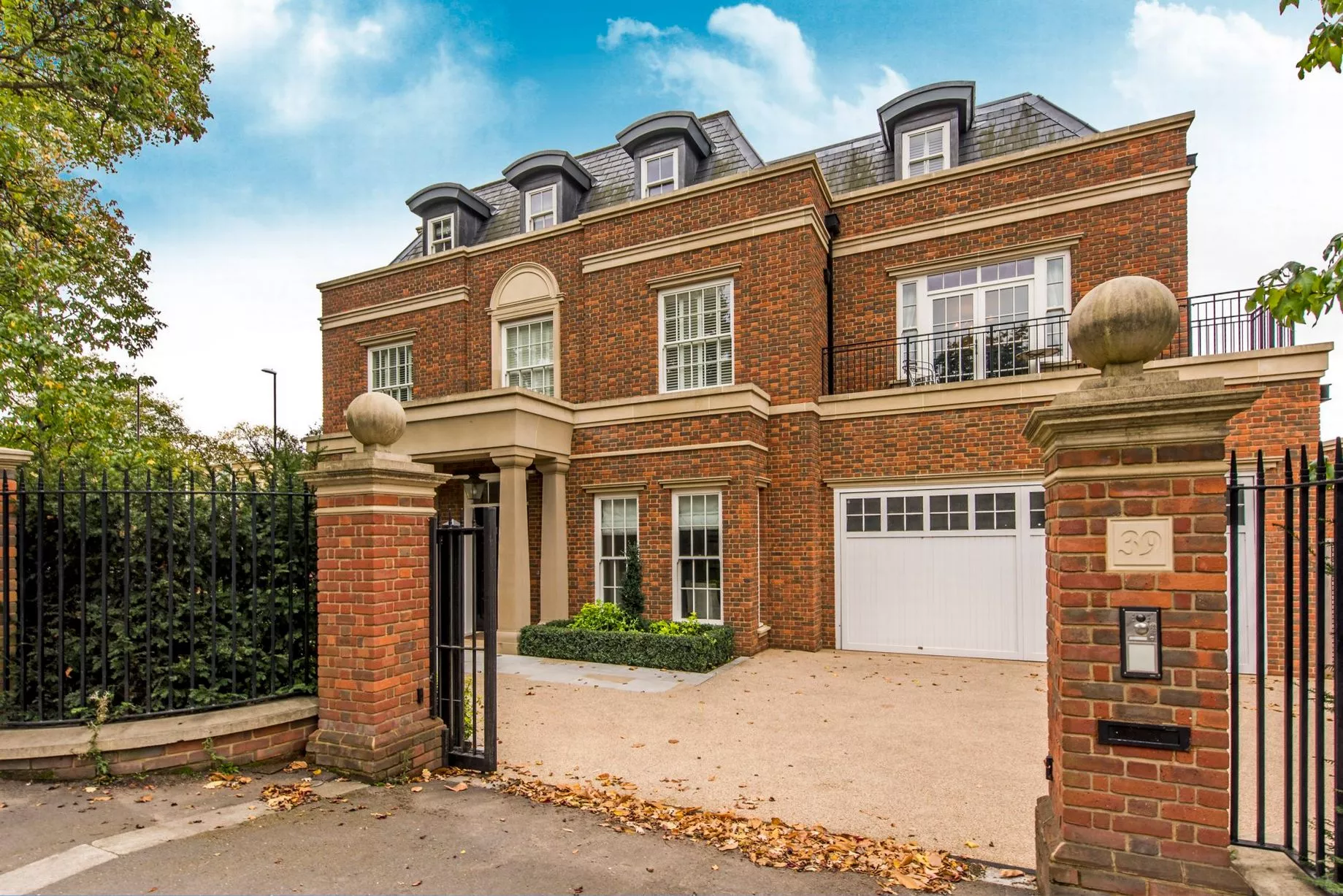
In elite London postcodes like Kensington and Chelsea, you often can’t build a ten-foot wall due to planning restrictions. This is where most homeowners give up.
I recommend a layered "Swiss Cheese" model of defense. If you can’t have height, you use technology. We integrate buried ground sensors and infrared beams that create an invisible perimeter. These systems alert your security team the moment a boundary is crossed, long before a window is even touched. This is the hallmark of the E. Hanlon brand: protection that doesn't ruin the view.
4. Failing to Integrate Automated Systems
A gate is only as secure as its weakest link. I often see beautiful bespoke driveway gates paired with cheap, off-the-shelf automation.
From a tactical intelligence perspective, an automated gate without integrated rising bollards or anti-tailgating sensors is a wide-open door. I always suggest a fully integrated system where your gate, intercom, and bollards work in a single, secure handshake.
5. Underestimating Modern Reconnaissance
Criminals today don't just "hop a fence." They use drones, they study your patterns, and they look for gaps in your perimeter's maintenance.
Remember, your security is a living system. If a sensor is out of alignment or a gate hinge is squeaking, you're broadcasting a message of neglect. Our maintenance and repair programs are designed to ensure your "fortress" stays a fortress year-round. We don't just install and leave; we provide the performance checks that keep you ahead of the curve.

6. Choosing "Standard" Over "Specialist" Materials
When you're securing a multi-million pound estate, "standard" isn't good enough. One of the most frequent mistakes is using low-grade timber that warps within two years.
I will guide you toward our premium, FSC-certified timber. Why? Because it’s not just about sustainability; it’s about structural integrity. Our timber is pressure-treated to last, and we back our work with a 10-year warranty. Whether it's luxury garden fencing in London or high-security perimeter fencing for a data center, the material grade is your first line of defense.
7. Forgetting the "Human" Element of Heritage
Finally, people often forget who is actually doing the work. In a world of sub-contractors and faceless corporations, who is accountable?
My father, Eugene, started this in 1983 with a simple mission: do it right, or don't do it at all. That Manchester heritage is in our DNA. When we step onto a site in Mayfair, we bring that same level of accountability. We aren't just a fencing company; we are guardians of your privacy.

Your Next Tactical Step
Securing your estate is a journey, not a one-time purchase. Here is what I recommend you do next:
Audit your current perimeter: Walk your boundary. Look for "blind spots" where a camera can't see or a fence is low.
Check your automation: Is your gate closing fast enough to prevent "tailgating"?
Consult a specialist: Don't leave your security to chance.
I always recommend consulting with experts who understand the intersection of luxury and tactical defense. Whether you need a fresh garden refresh or a full high-security overhaul, we are here to guide you.
Ready to secure your property with 40 years of expertise?Contact us today for a confidential consultation. Let’s build something that lasts another 40 years.
Comments