


Winter Wildlife-Friendly Fencing: Protecting Manchester's Nature During the Cold Months

When it comes to fencing your Manchester or Cheshire garden, you might not immediately think about the hedgehogs, foxes, and birds that share our neighbourhood. But I can tell you from nearly four decades in this business: wildlife considerations are absolutely critical, especially during winter when these creatures face their toughest challenges.
I've seen firsthand how the wrong fencing choices can inadvertently harm local wildlife during the cold months. A seemingly harmless mesh panel or a fence set too close to the ground can become a death trap for hedgehogs searching for shelter, or block vital winter migration routes for deer and other larger mammals in our greener areas.
Here's the good news: creating wildlife-friendly fencing doesn't mean compromising on security, privacy, or aesthetics. I'm going to walk you through exactly how to protect Manchester's nature whilst still getting the beautiful, functional fence you want for your property.
Why Winter Makes Wildlife Fencing Even More Important
Winter in Greater Manchester isn't just cold: it's survival season for our local wildlife. Hedgehogs are looking for safe hibernation spots. Foxes are searching for shelter and food. Birds need accessible gardens to forage when the ground freezes.
During these crucial months, I've witnessed how fencing can either help or hinder these animals. A fence with the right design features becomes a lifeline; one without them becomes an obstacle that costs energy these creatures simply cannot afford to waste.
Here's what happens when we don't plan for winter wildlife:
Hedgehogs get trapped trying to move between gardens searching for food and hibernation sites
Small mammals become snagged in inappropriate wire mesh during desperate winter foraging
Migration routes get blocked when animals move to lower elevations or different habitats
Snow accumulation on poorly designed fences creates barriers that weren't there in summer
The solution? Thoughtful design choices that I recommend to every client in the Manchester area.
The Essential Hedgehog Highway: Creating Ground Clearance
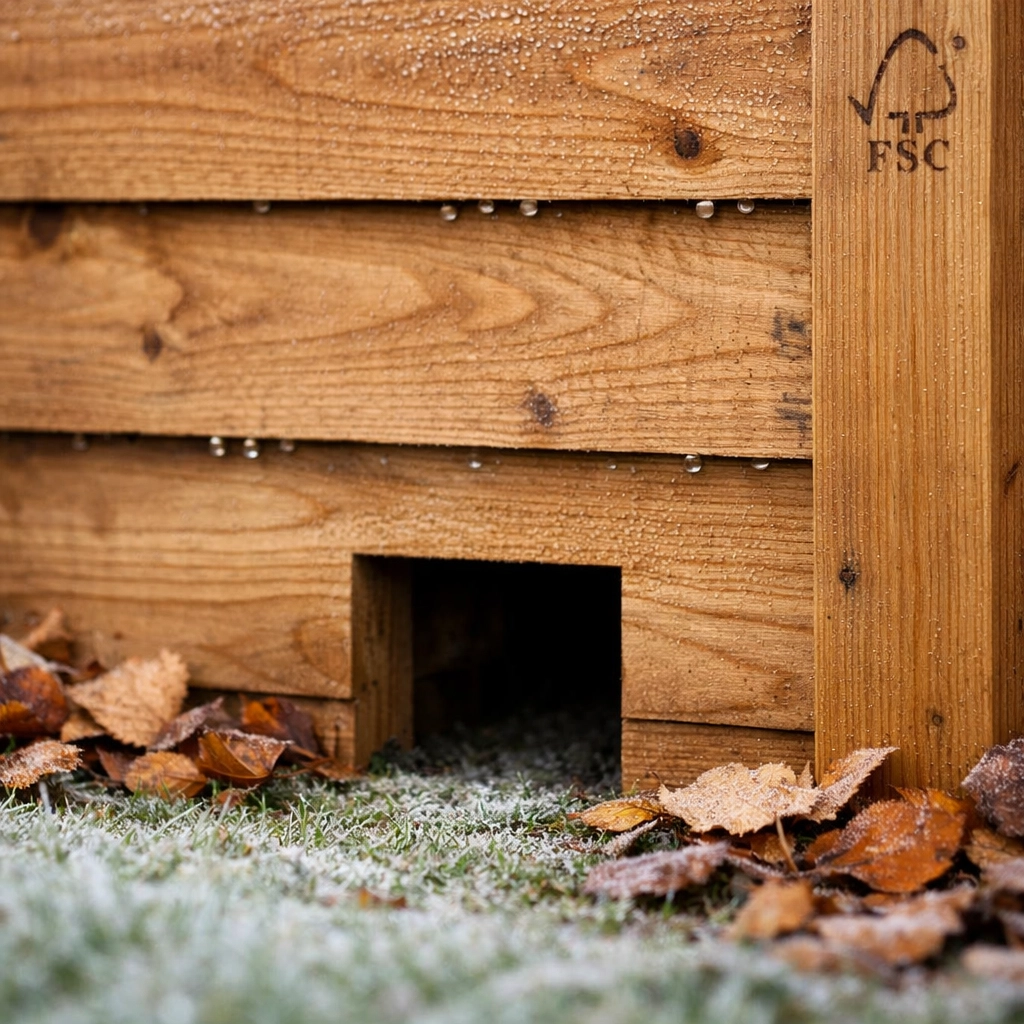
Let me start with the most important feature for Manchester gardens: the hedgehog hole. These little creatures need to travel up to a mile each night searching for food, and in winter, they're looking for the perfect hibernation spot: usually in leaf piles, compost heaps, or under sheds.
I always advise clients to include 13cm x 13cm (about 5 inches square) gaps at the bottom of their fence runs. This is the standard "hedgehog highway" dimension that allows these endangered animals to pass through safely.
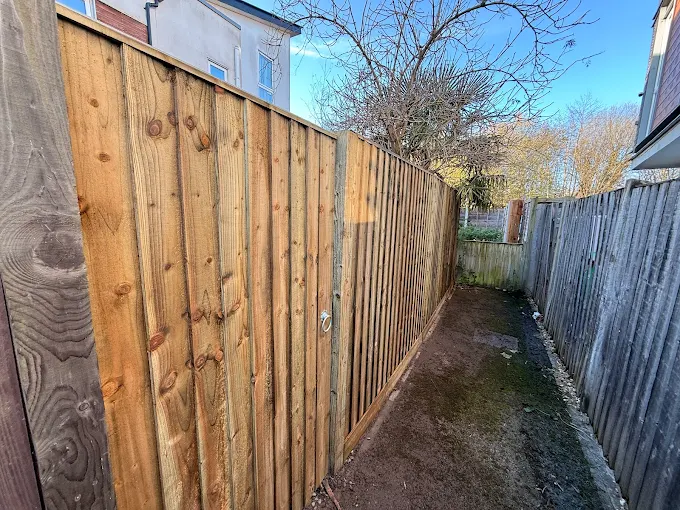
Here's how we incorporate hedgehog holes properly:
Position them every 2-3 fence panels along the run
Keep the bottom gap between 12-18 inches from the ground for larger wildlife access
Place them in corners where hedgehogs naturally travel
Mark them discreetly on your side so you don't accidentally block them with garden furniture or plant pots
Remember, these gaps don't compromise your fence's security or privacy. They're positioned at ground level where they're barely noticeable to humans but absolutely vital for wildlife.
FSC-Certified Timber: Safe Treatments for Winter Wildlife
When you're choosing timber for your Manchester garden fence, the treatment process matters enormously: especially during winter when wildlife is more vulnerable and desperate for shelter.
I've seen too many cases where chemical-heavy treatments have harmed wildlife. Animals seeking shelter near or under fences during cold snaps can be exposed to harmful preservatives, and birds may peck at treated timber looking for insects.
This is precisely why I recommend FSC-certified timber for every domestic installation we do. Here's why it's essential for winter wildlife safety:
FSC timber uses safer treatment methods:
Water-based preservatives instead of heavy chemical treatments
Environmentally responsible sourcing from sustainably managed forests
Lower toxicity levels that don't harm animals seeking winter shelter
Better for hedgehogs hibernating near fence bases
You can read more about why FSC-certified timber is taking over Manchester gardens in our detailed guide. The investment in quality, safely-treated timber protects both your fence's longevity and the wildlife that depends on our gardens for winter survival.
Avoiding the Mesh Trap: Why Wire Choices Matter in Winter
This is where I see the most dangerous mistakes. Standard wire mesh or chicken wire might seem like an economical choice for garden fencing, but during winter, it becomes a genuine hazard for Manchester's wildlife.
When animals are cold, hungry, and desperate, they take risks they wouldn't normally take. I've been called to properties where hedgehogs have become entangled in mesh trying to squeeze through, or where birds have caught their feet in wire squares while searching for insects in the cold.
Here are the mesh types to avoid entirely:
Standard chicken wire (small square mesh)
Plastic mesh netting
Barbed wire or razor wire at any height
Split-rail designs with sharp edges where snow accumulates
Instead, I recommend these winter-safe alternatives:
Solid timber panels with hedgehog gaps at ground level
Smooth horizontal rails if using post-and-rail designs
Vertical close-board fencing with proper ground clearance
Rounded top rails rather than square designs (prevents heavy snow build-up that deters larger wildlife)
If you absolutely must use some form of wire: perhaps for a larger rural property: use high-visibility, smooth wire with no barbs, and ensure the bottom strand is at least 18 inches from the ground to create safe crawl spaces.
Winter-Specific Design Considerations for Manchester Gardens
Manchester winters bring unique challenges that I factor into every wildlife-friendly fence design. Our weather patterns: frequent rain, occasional heavy snow, and dramatic temperature swings: create specific hazards for local wildlife.
Snow Accumulation Management
Heavy snow can transform a wildlife-friendly fence into a solid barrier overnight. That's why I always specify rounded top rails instead of flat caps. Snow slides off rounded surfaces naturally, maintaining the fence's proportions and ensuring deer or foxes can still jump over when needed.
Freeze-Thaw Cycle Protection
Our Manchester climate means constant freezing and thawing throughout winter. This affects both your fence and the wildlife using it. Ground-level gaps can become clogged with ice or frozen debris, so I design them slightly larger than summer dimensions to account for this.
Winter Migration Routes
Even in urban Manchester and Cheshire, wildlife moves differently in winter. Foxes expand their territory searching for food. Deer in our greener areas move to lower elevations. I recommend keeping fence heights to a maximum of 40-42 inches where possible, allowing adult animals to jump over when necessary.
Practical Winter Maintenance Tips
Installing a wildlife-friendly fence is just the beginning. Winter maintenance is crucial for keeping it safe for Manchester's animals throughout the cold months.
Monthly Winter Inspections
I always tell clients to check their fences after every significant storm or snowfall. Here's what you're looking for:
Blocked hedgehog holes (clear away ice, snow, or debris)
Leaning posts that might create pinch points
Damaged panels where sharp edges have appeared
Vegetation growth that's frozen into the fence line
Creating Additional Winter Shelter
You can enhance your wildlife-friendly fence's benefits by:
Leaving a strip of long grass along the fence base for insulation
Piling autumn leaves near the fence for hedgehog hibernation
Installing bird boxes on fence posts (we can do this during installation)
Creating small gaps in gravel boards for toad and newt access
Working with Your Neighbours
Wildlife corridors work best when they connect multiple properties. I encourage all my Manchester clients to chat with neighbours about creating continuous hedgehog highways. It takes just five minutes to drill out a small gap, but it can connect entire streets into a wildlife superhighway.
The Fenceways Approach to Wildlife-Friendly Winter Fencing
After decades of installing fences across Manchester and Cheshire, I've developed a systematic approach that balances client needs with wildlife protection. Every domestic fence we install now includes wildlife considerations as standard: not as an optional extra.
When you're planning your winter fencing project, here's what I recommend:
Step 1: Site Assessment I will guide you through evaluating which wildlife actually uses your garden. Hedgehog signs? Fox trails? Bird activity? This determines the specific features your fence needs.
Step 2: Design Integration Wildlife features get built into the design from day one: not added as afterthoughts. Hedgehog gaps, appropriate heights, safe materials: all specified before we order timber.
Step 3: Quality Materials FSC-certified timber, pressure-treated for durability without harmful chemicals, ensures your fence protects wildlife for years, not just one winter.
Step 4: Professional Installation Our experienced team knows exactly how to create hedgehog gaps that won't compromise structural integrity, and how to position them for maximum wildlife benefit.
Making the Right Choice for Manchester Wildlife This Winter
Creating a wildlife-friendly fence doesn't mean sacrificing what you want from your garden boundary. I've installed hundreds of beautiful, secure, private fences across Manchester that also happen to be lifelines for local wildlife.
The key is planning these features from the start rather than trying to retrofit them later. Whether you're looking at garden fencing solutions or more bespoke residential options, wildlife considerations should be part of the conversation.
Remember: every hedgehog hole you include, every FSC-certified timber panel you choose, and every mesh panel you avoid makes a genuine difference to Manchester's wildlife during their most vulnerable season. These aren't just nice-to-haves: they're essential features that help maintain the biodiversity of our urban and suburban spaces.
If you're planning a fencing project this winter or preparing for spring installation, I always recommend consulting with experts who understand both quality fencing and local wildlife needs. At Fenceways Group Ltd, we've been balancing these priorities since 1983, and I'd be happy to discuss how we can create the perfect wildlife-friendly solution for your Manchester property.
Let's build fences that protect your property and protect the nature that makes Manchester special.
header.all-comments