


Garden Fencing in Manchester: 10 Things You Should Know About Weather-Resistant Timber Before You Buy
- Mark Day
- Feb 15
- 7 min read

When it comes to garden fencing in Manchester, I've seen countless homeowners make expensive mistakes by choosing timber without understanding how our local climate will affect their investment. After four decades installing fences across the North West, I can tell you that weather-resistant timber isn't just a nice-to-have, it's essential if you want your fence to last more than a few years in Manchester's notoriously damp conditions.
You're about to spend a significant amount on your garden boundary, so I'm going to walk you through the ten critical things you need to know before making that purchase. These aren't just theoretical considerations, they're the real-world factors that determine whether your fence will still look good in ten years or need replacing in three.
1. Manchester's Climate Demands More Than Standard Timber
Let me be blunt: Manchester receives over 800mm of rainfall annually, with humidity levels that stay consistently high throughout the year. If you're thinking of using standard untreated timber for your fence, you're setting yourself up for disappointment.
I've watched beautiful fences deteriorate within 18 months because homeowners underestimated our climate. The constant moisture penetration leads to rot, warping, and structural failure far sooner than in drier regions. Weather-resistant timber isn't a premium upgrade here, it's the baseline requirement for any fence that you want to survive Manchester weather.
Here's what happens to untreated timber in our climate:
Moisture absorption causes expansion and contraction cycles
Fungal growth develops in damp conditions
Wood fibres break down accelerated by freeze-thaw cycles
Insect infestation becomes more likely in weakened wood
Structural integrity compromises within 2-3 years
2. FSC-Certified Timber Protects Your Investment and the Planet
When you choose FSC-certified timber, you're not just making an environmentally responsible decision, you're actually getting better quality wood. I always recommend FSC certification to my clients, and here's why it matters for your fence's longevity.
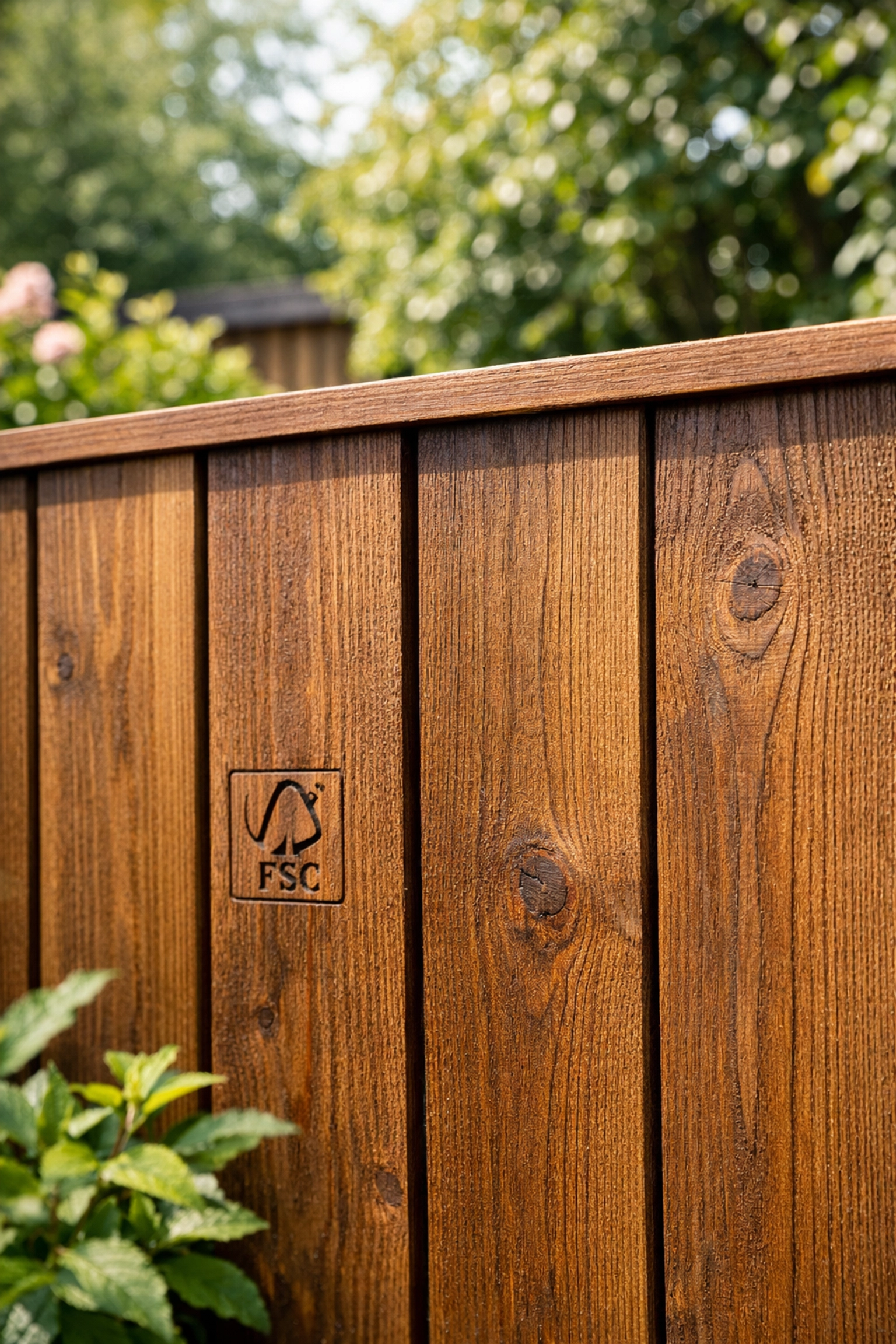
FSC (Forest Stewardship Council) certification ensures the timber comes from responsibly managed forests, but the benefits go beyond ethics. FSC-certified suppliers typically maintain higher quality control standards throughout the supply chain. The wood is properly seasoned, stored in controlled conditions, and processed to retain its natural protective properties.
At Fenceways Group Ltd, we've made FSC-certified timber a cornerstone of our sustainable approach, and I've noticed these installations consistently outperform non-certified alternatives. You're paying for traceability, quality assurance, and peace of mind that your timber was sourced and handled properly from forest to fence.
3. Red Cedar Stands Above the Rest for Manchester Gardens
If budget allows, Red Cedar is hands-down the best timber choice for Manchester fencing. I've installed hundreds of cedar fences over the years, and the performance difference is remarkable.
Red Cedar possesses natural oils that repel moisture and insects without any chemical treatment. In Manchester's wet climate, this natural resistance is invaluable. The wood contains thujaplicin, a natural preservative that protects against fungal decay and insect damage, exactly the threats your fence faces here.
What I love about cedar for Manchester properties:
No chemical preservatives needed (environmentally friendly)
Natural resistance to rot and insect damage
Beautiful aging process, develops an attractive silver-grey patina
Fine grain structure resists moisture penetration
Remains stable with minimal warping
Lighter weight makes installation easier on challenging terrain
Yes, Red Cedar costs more upfront. But when I calculate the total cost over a 20-year period (including maintenance and replacement), cedar actually delivers better value than cheaper alternatives that need replacing twice in that timeframe.
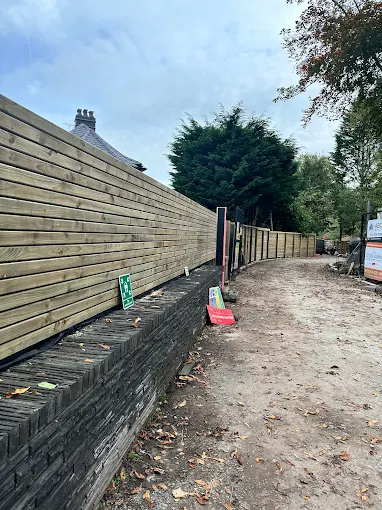
4. Pressure-Treated Pine and Spruce Offer Excellent Value
Not everyone's budget stretches to Red Cedar, and that's absolutely fine. Pressure-treated pine and spruce provide excellent weather resistance at a more accessible price point, and I install these materials regularly for clients across Manchester.
The pressure-treatment process forces preservatives deep into the wood fibres under high pressure, creating protection that goes far beyond surface coatings. This makes the timber highly resistant to rot and insect damage: the two biggest threats in humid environments like ours.
Spruce, in particular, works beautifully for traditional Manchester fence styles. It ages gracefully to a neutral grey finish that many homeowners actually prefer to the original colour. Pine offers similar benefits with slightly different grain characteristics and colour tones.
Here's what you should know about pressure-treated options:
Expect 15-20 years of performance with proper maintenance
Initial greenish tint fades to natural wood tones within months
Requires proper drying time after installation before staining
Excellent structural strength for posts and framework
Cost-effective without compromising on durability
5. The Sealant Reality: Maintenance You Can't Skip
I need to be honest with you: no timber fence in Manchester survives long-term without regular application of weather-resistant sealant. I've seen too many homeowners invest in quality timber and then neglect this crucial maintenance step.
Even naturally resistant timbers like Red Cedar benefit from sealant application. In Manchester's climate, you should plan to reseal your fence every 2-3 years. I know that sounds like a commitment, but it's the difference between a fence lasting 10 years versus 20 years.
Quality sealants provide several protective layers:
Water repellent barrier preventing moisture penetration
UV protection reducing sun damage and colour fading
Enhanced resistance to mould and algae growth
Preservation of wood's natural flexibility
Extended lifespan of any applied stain or finish
I recommend budgeting both time and money for this maintenance when you're considering your fence investment. It's not optional: it's part of owning a timber fence in Manchester.
6. Manchester's Soil Conditions Affect Fence Stability More Than You Think
This is something many homeowners don't consider until they have problems. Manchester's soil varies significantly across the region, and understanding your specific soil type is crucial for fence longevity.
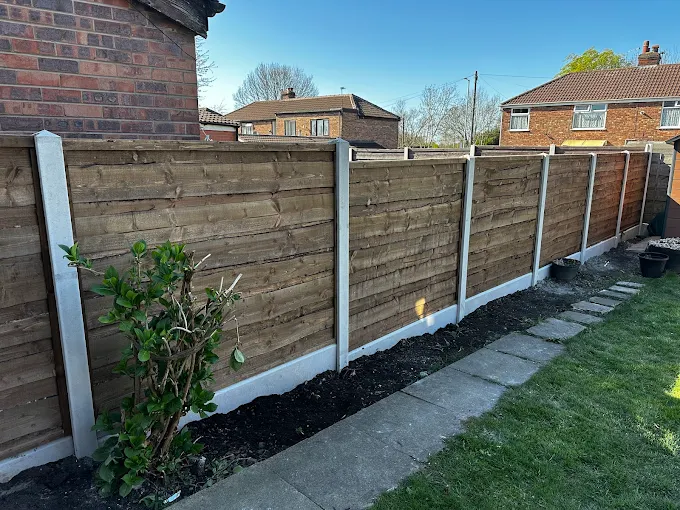
If you're in central or northern Manchester, you're likely dealing with loess soil: light and airy but prone to settling over time. This can cause fence posts to tilt or lean, creating stress on your timber panels. Installation in these areas requires wider posts, deeper holes, and strategic bracing.
Southern and eastern Manchester typically has clay soil, which retains moisture but shrinks and cracks during dry spells. This expansion-contraction cycle puts different stresses on fence posts. You need wider post holes with gravel drainage and sometimes specialized anchors.
When we install fences at Fenceways, we always assess soil conditions first. This isn't about charging extra: it's about installing your fence correctly the first time so it doesn't develop problems within a year or two.
7. Natural Resistance vs Chemical Treatment: Understanding the Trade-offs
You'll face a choice between naturally resistant timbers and chemically treated options. Both have their place, and I'll help you understand when each makes sense.
Naturally resistant timbers like Red Cedar and certain hardwoods rely on inherent properties to repel moisture and insects. The advantage is environmental friendliness and long-term stability without chemical leaching. The disadvantage is typically higher cost and limited availability.
Chemically treated timbers use preservatives to achieve weather resistance. Modern treatments are far safer than older copper arsenate formulations, but they do involve synthetic chemicals. The advantages are lower cost and proven effectiveness against rot and insects. The trade-off is environmental considerations and potential chemical breakdown over time.
For Manchester gardens, I typically recommend:
Natural resistance for properties near children's play areas or vegetable gardens
Chemical treatment for boundary fences and areas without sensitive use
FSC-certified options regardless of which category you choose
Professional advice specific to your property's characteristics
8. Realistic Longevity Expectations for Different Timber Types
Let me give you realistic timeframes based on our 40+ years of experience in Manchester. These assume proper installation and regular maintenance:
Red Cedar: 20-25 years with minimal maintenance, potentially 30+ years with excellent care. I've seen cedar fences from the 1990s still performing well.
Pressure-treated pine/spruce: 15-20 years with regular maintenance. These are workhorses that deliver reliable performance for most residential applications.
Untreated softwood: 3-7 years in Manchester conditions. I don't recommend this for any permanent fencing, regardless of budget constraints. You'll spend more replacing it multiple times than investing properly upfront.
Hardwoods (oak, chestnut): 25+ years with proper maintenance. Expensive but incredibly durable if you're after a premium, long-term solution.
Remember, these numbers assume you're following maintenance schedules and addressing issues promptly. Neglect will shorten any timber fence's lifespan significantly.
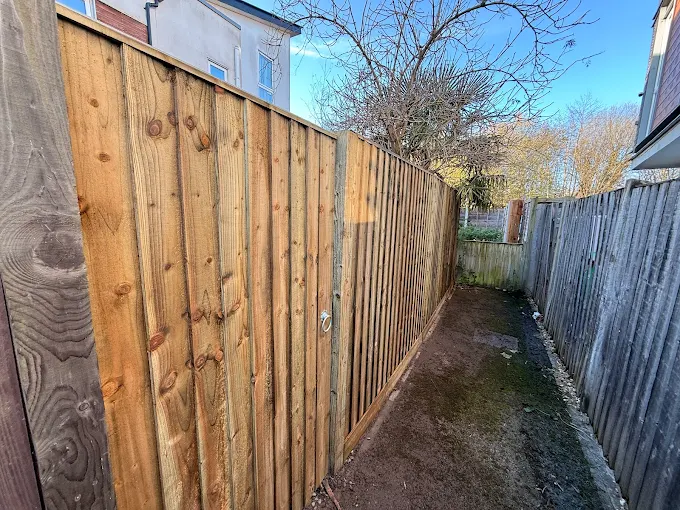
9. Installation Timing Matters in Manchester's Climate
When you install your timber fence affects how well it performs. I've found that spring and early summer offer the best conditions for fence installation in Manchester.
Here's why timing matters:
Timber needs time to acclimatize before extreme weather hits
Posts need optimal conditions to set properly in the ground
Warmer weather allows proper curing of treatments and sealants
Drier soil makes post installation more effective
Plants and landscaping recover better from installation disturbance
Avoid winter installations if possible. Frozen ground makes proper post installation difficult, and wet conditions mean timber starts its life already saturated with moisture. I've seen winter-installed fences develop problems that spring installations simply don't face.
If you must install in autumn or winter, expect to pay more attention to drainage around posts and potentially wait longer before applying final sealants or stains.
10. Total Cost of Ownership: Look Beyond the Initial Price Tag
This is where I see the biggest mistakes. Homeowners compare initial prices without calculating the true long-term cost of their fence choice.
Let's break down real costs over 20 years:
Premium Red Cedar fence:
Initial cost: Higher (let's say £3,500 for a typical garden)
Maintenance: Minimal (sealant every 3 years, approx £150 each time = £1,000)
Replacement: None needed
Total 20-year cost: £4,500
Budget pressure-treated fence:
Initial cost: Lower (perhaps £2,000)
Maintenance: Regular (sealant every 2 years, approx £150 each time = £1,500)
Replacement: One replacement needed at year 12 (£2,000)
Total 20-year cost: £5,500
When you factor in your time, hassle of replacement, and potential property devaluation from a deteriorating fence, the premium option often wins. I'm not saying everyone should buy the most expensive timber: I'm saying you need to calculate the real cost, not just the purchase price.
Making Your Decision
You now understand the critical factors that determine whether your Manchester garden fence will thrive or fail in our climate. Weather-resistant timber isn't just about the wood species: it's about understanding how that timber interacts with our local conditions, soil types, and weather patterns.
I recommend starting with a proper site assessment. At Fenceways Group Ltd, we've spent over 40 years learning how different timbers perform across Manchester's varied conditions. Whether you choose Red Cedar for its natural resistance, pressure-treated pine for its value, or another option entirely, the key is making an informed decision based on your specific property, budget, and long-term plans.
Don't let price alone drive your decision, but don't overspend on features you don't need either. The right timber fence, properly installed and maintained, will serve your Manchester property beautifully for decades. Choose wisely, and you'll thank yourself every time you look at your garden boundary for years to come.
Comments